The Nature's Masterpiece

The powerhouse behind everything

Introduction

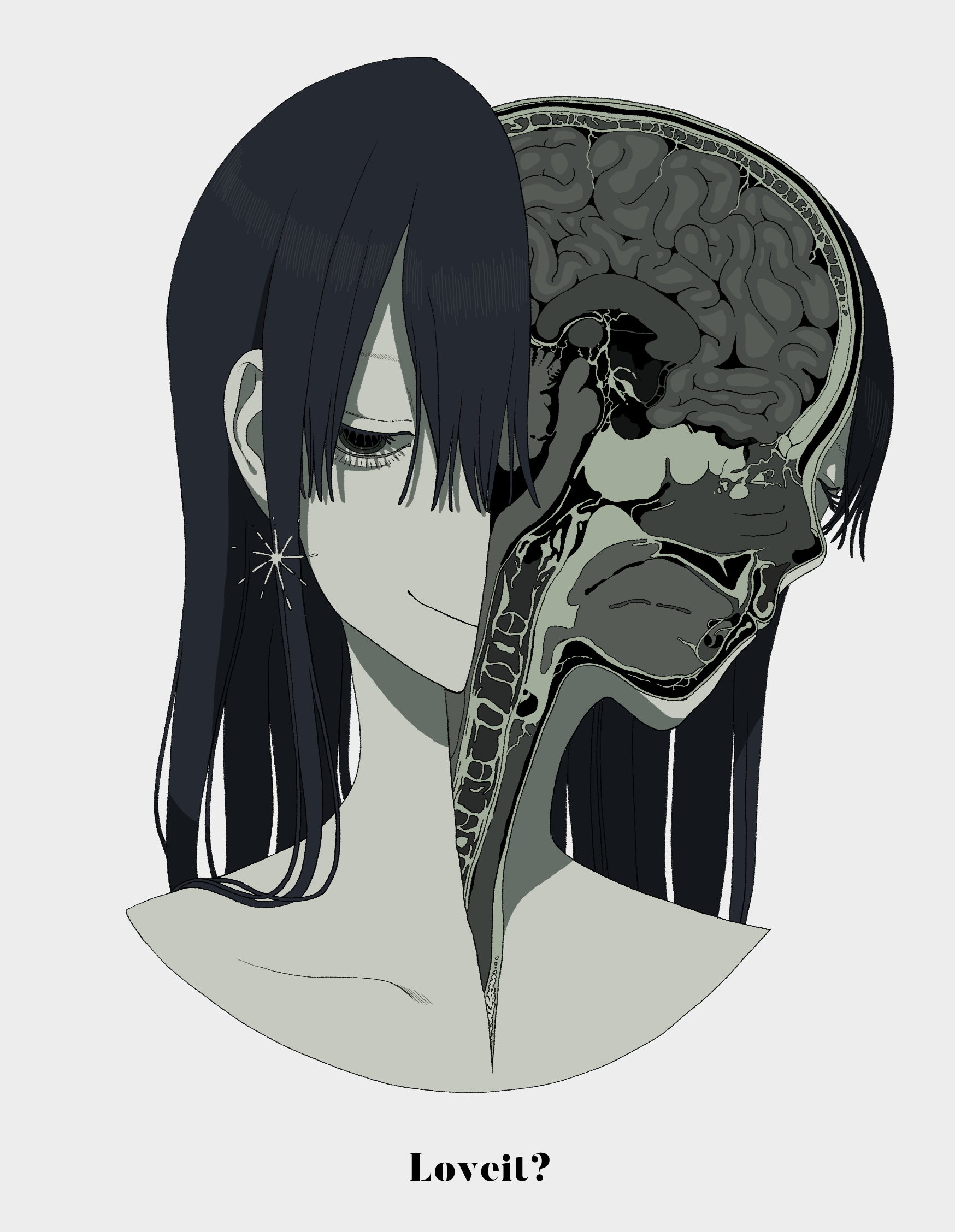
Illustration showing a human head split vertically to reveal the brain

The human brain is the central organ of the human nervous system, responsible for processing sensory information, regulating bodily functions, and enabling cognition, emotion, and consciousness. Weighing about 1.3–1.4 kilograms, it contains approximately 86 billion neurons, interconnected through trillions of synapses, making it the most complex known biological structure.

"If the human brain were so simple that we could understand it, we would be so simple that we couldn’t." — Emerson M. Pugh

Structure

The brain is divided into several major parts: the cerebrum, cerebellum, and brainstem. The cerebrum, the largest part, controls voluntary movements, reasoning, memory, and sensory processing. The cerebellum coordinates balance and fine motor skills, while the brainstem regulates essential functions like breathing and heartbeat. The cerebral cortex, a folded outer layer of gray matter, is critical for complex thought and perception.

Facts

Quotes

"The brain is wider than the sky." – Emily Dickinson
"The human brain is the most complex machine ever built." – Michio Kaku
"Your brain is the organ of destiny." – Santiago Ramón y Cajal